Baby Products That Are Worth Splurging On (And 10 You Can Buy Cheap)
Spend more on safety-critical and high-use items; buy cheap on trendy gadgets, size-0 clothing, and anything your baby will outgrow in weeks.
Phase: Family · Topic: Family Finances · Type: Evergreen · Reading time: ~8 min
The baby product industry is exceptionally good at making new parents feel like every item on the shelf is essential. Some of it is — but a lot of it isn't, and knowing which is which before you fill a registry can save you $500 to $2,000 without sacrificing a single thing that actually matters for your baby's safety, comfort, or development.
The framework is simpler than most guides make it: spend more on things that affect safety, get used every single day, or have a long useful life. Spend less on things that are trendy, size-specific, or designed to solve a problem your baby may not even have. Here's how that plays out across the products new parents actually debate.
The Splurge Category: Safety First, Always
The crib mattress is the one item most parents underinvest in while overinvesting in the crib itself. The crib will sit mostly inert; the mattress is what your baby sleeps on for 10–14 hours a day. A basic firm foam mattress from Graco ($119–$149) meets all safety standards and is a perfectly responsible choice. But if you want meaningful peace of mind on breathability — relevant if your baby starts rolling before you catch it — the Newton Baby Essential Crib Mattress ($249, currently around $199 on sale) uses a Wovenaire core that is 90% air and genuinely breathable. In independent testing, Newton's design showed significantly lower suffocation risk than foam alternatives. It is also fully washable, core and cover, which a foam mattress is not. Whether you need that upgrade is a judgment call; the relevant fact is that this is the purchase worth having the breathability conversation about, not the crib frame.
The car seat is where parents are most often warned to spend big — but Consumer Reports has tested more than 130 car seats and concluded clearly: an expensive seat doesn't mean a safer seat. All infant car seats sold in the US must pass the same federal crash standards regardless of price. What higher-priced seats often offer is better ease of installation, more comfortable fabrics, and longer weight limits. A Chicco KeyFit ($220) and a Graco SnugRide ($120) both pass crash standards. The Chicco installs more easily on more vehicles, which has real-world safety implications — a correctly installed cheaper seat is safer than a loosely installed premium one. Buy what fits your car and budget, verify the installation with a certified Child Passenger Safety Technician (most fire stations offer this free), and don't overspend purely on brand prestige. For more on this specific decision, the full infant vs. convertible car seat guide breaks down when it's worth skipping the infant seat entirely.
A quality baby carrier earns its price because it is used constantly — at home, on walks, in waiting rooms, during fussy evenings when nothing else works — for up to 18 months. The Ergobaby 360 ($185) or the Solly Baby Wrap ($78) are both worth paying for because they distribute weight correctly, keep your baby in an ergonomically sound hip position (the "M" position recommended by the International Hip Dysplasia Institute), and last long enough to be used for a second child. A cheap carrier that distributes weight poorly will hurt your back and may not support the baby's hips correctly. This is one category where construction quality genuinely matters.
The Splurge Category: High Daily Use
A quality diaper bag sounds like a vanity purchase but is actually a functional tool you will use 10+ times a day for two-plus years. The Itzy Ritzy Boss Plus ($89) and the Freshly Picked convertible ($185) both survive actual use — real zippers, real straps, real organization — in ways that cheaper bags often don't. You don't need the most expensive option, but you'll regret buying a $25 bag that falls apart at month three.
The Lovevery Play Gym ($140) is the most debated item on almost every baby registry. Here is the honest version: it is better than most play mats because it is designed by child development specialists, uses high-contrast materials appropriate for a newborn's visual range, and includes age-specific play guidance through the first year. It is also made of sustainably sourced wood and organic cotton, holds its resale value well (regularly selling for $80–$100 used), and gets used daily from birth through 12+ months — an unusually long use window for a baby product. You can buy a cheaper play mat, and your baby will develop perfectly well. But if you're going to spend on one developmental toy in the first year, this is the one with the most backing. See what to look for in baby play mats at every developmental stage if you're comparing options.
A good white noise machine ($40–$80, Hatch Rest or LectroFan Evo) earns its keep not just for newborns but through toddlerhood and sometimes beyond. The research on white noise for infant sleep is solid, and the devices themselves last years. This is not a purchase you'll outgrow in months.
The Baby Monitor: The Middle-Ground Call
Baby monitors are where budgets sprawl fastest, because the marketing for high-end options (Nanit Pro at $300, Owlet Dream Sock at $250) is sophisticated. The honest answer here: a basic video monitor like the VTech VM5254 ($60–$80) does the core job — seeing and hearing your baby — without a subscription or app dependency.
The premium monitors add sleep tracking, breathing motion detection, and room-condition data. Whether those features are worth $150–$250 extra depends on your anxiety level and whether you're likely to act on the data or just worry more because of it. The Owlet Dream Sock specifically measures pulse oximetry; the Nanit tracks breathing motion via camera. Neither replaces safe sleep practices, and neither has FDA clearance as a medical device. For parents who want the peace of mind and will use the data calmly, they're reasonable purchases. For parents who know they'll spiral over every notification at 2 AM, a solid basic video monitor is the better call. More on what features actually matter is in the baby monitor buying guide.
The 10 Things to Buy Cheap (or Skip Entirely)
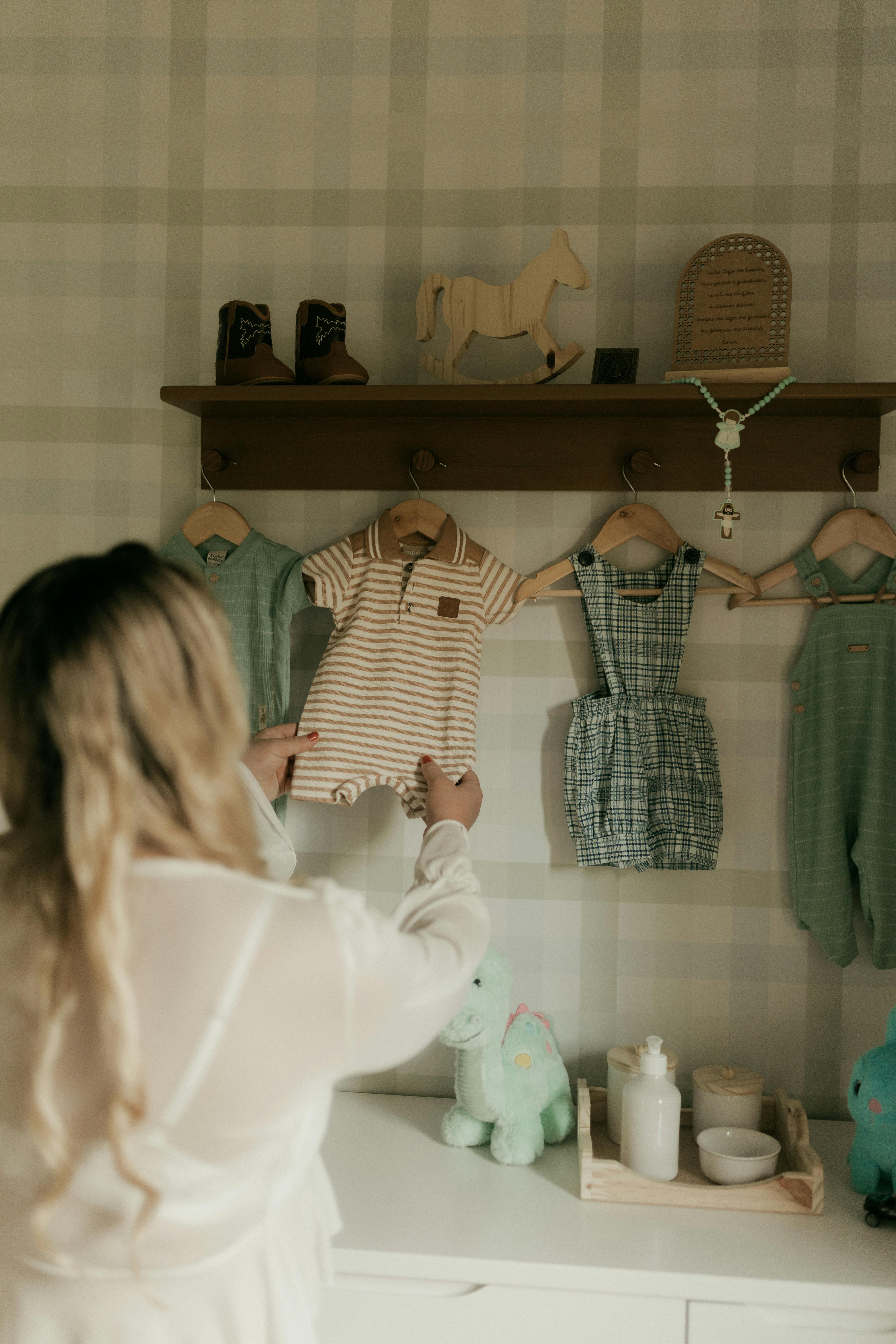
1. Newborn and 0-3 month clothing. Babies grow out of these sizes in six to eight weeks — sometimes faster. Secondhand shops, Facebook Marketplace, and hand-me-downs from friends are where to get these. Spending $40 on a newborn outfit that gets three wears is money that didn't need to leave your wallet.
2. The wipe warmer. This shows up on nearly every sponsored baby registry list and almost never makes it past month two in real households. Wipes at room temperature are not harmful to babies. The warmers frequently dry out wipes at the edges, require a dedicated outlet, and add one more thing to maintain at 3 AM. Skip it.
3. A bottle sterilizer. Running bottles through the dishwasher on a hot cycle, or boiling them for five minutes, accomplishes the same thing a $60 electric sterilizer does. The AAP recommends sterilizing bottles before first use; after that, thorough washing is sufficient for healthy, full-term babies.
4. A dedicated diaper pail. The Diaper Genie and similar products require proprietary refill bags that cost $10–$15 each and are another recurring expense. A regular trash can with a tight-fitting lid and a box of scented trash bags gets the job done. If smell is a serious concern, an Ubbi steel pail ($80) uses standard bags and has better long-term economics.
5. Newborn shoes. Babies do not walk. Shoes serve no functional purpose before walking begins and can actually restrict natural foot development if they're too rigid. The ones that look adorable in photos fall off in ten minutes. Save this budget for when shoes matter.
6. A baby food maker. A regular blender or food processor purees cooked vegetables and fruit with identical results to a $60 baby-specific appliance. The Beaba Babycook has devoted fans, but a $30 immersion blender does the same job. See baby food makers vs. store-bought purees for the full breakdown.
7. Fancy swaddle blankets in large quantities. Every parent needs a few good swaddles — but three or four is the right number to test on your specific baby before buying more. Brands like Aden + Anais make excellent muslin swaddles for around $12–$15 each; you do not need 10. Start with the minimum.
8. A bassinet with premium features. A basic, firm-sided bassinet meets AAP safe sleep guidelines just as well as a $400 version. The HALO BassiNest has features many parents genuinely value (the swivel base, the sidewall that lowers for feeding). The SNOO at $1,500+ may improve sleep for some babies and is available to rent rather than buy. But a Moses basket from Target at $60 and the Graco Pack 'n Play bassinet mode are both AAP-compliant sleep surfaces that many families use without issue.
9. A dedicated changing table. A waterproof changing pad on top of a dresser you already own does the exact same job as a standalone changing table, costs nothing extra, and converts to useful storage when the diapering phase ends. Many parents report regretting the dedicated table by month six.
10. Most branded baby skincare lines. Babies with normal skin don't need a dedicated, premium baby wash, lotion, and oil routine. Unscented, fragrance-free products — Vanicream, Dove Sensitive Skin, CeraVe Baby — work as well or better than many baby-branded alternatives and cost significantly less. The exception: babies with eczema or very sensitive skin may need specific formulations, which is worth discussing with your pediatrician. More on this in baby skincare products worth buying (and five to skip).
How to Apply This Before You Buy
The clearest test for any baby product decision: will your baby use this every day, for months, in a way where quality affects the experience? If yes, it earns a larger budget. If the answer is "maybe, or for a few weeks at most," buy the budget version — or borrow, rent, or skip it entirely.
The registry is also not the only lever. Many of the items worth spending on (car seat, crib mattress, carrier) are exactly the ones that make excellent group gifts at a baby shower precisely because they're expensive. Put the real items on the registry; let the impulse purchases come from people who want to buy something cute. Your job is to make sure the things that matter are covered.
🌱 Discover Your Parenting Wellbeing Score
Get your personalised score across 9 dimensions and find articles curated for your stage.
Get My Score →Community comment
Sign in to join the conversation and share your parenting experiences.
Sign in with Google
No comments yet — be the first to share your thoughts! 💛