Healthy Snacks for Kids That Are Fast, Easy, and Actually Loved
The best healthy snacks pair protein with a carb or fruit; keep prep under five minutes; and involve your child in choosing.
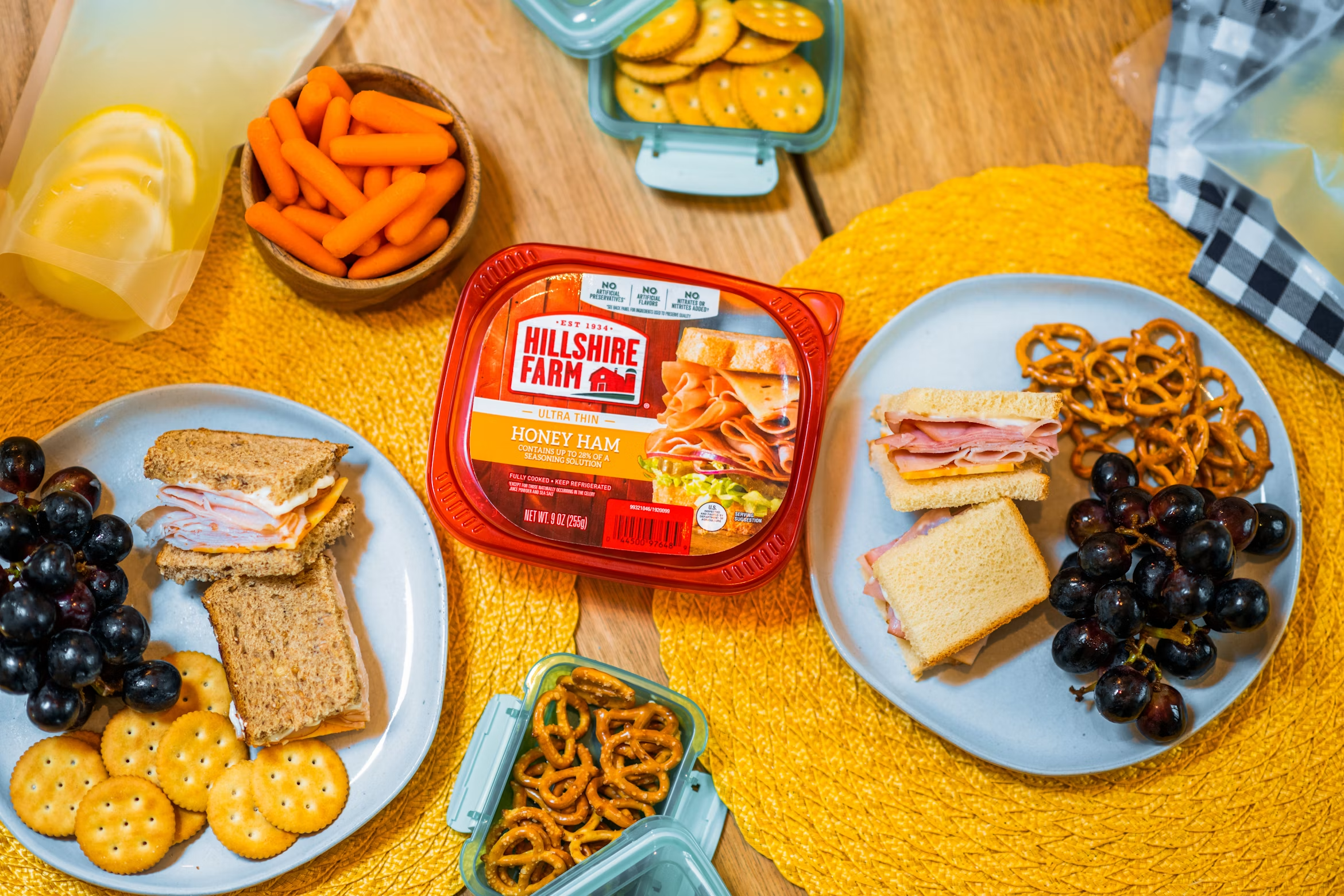
Phase: Family · Topic: Family Nutrition · Type: Evergreen · Reading time: ~7 min
Ninety-three percent of children in the US eat at least one snack every day, according to a 2024 USDA dietary data report. That means snack time is not an optional part of your child's nutrition — it's a daily meal in its own right, just one that tends to happen over the kitchen counter while someone is asking for a screen and your phone is ringing. The gap between "healthy snacks for kids" as an idea and healthy snacks your kids will actually consume is where most parents quietly lose the plot.
This post is not a list of 30 Pinterest-worthy recipes. It's a framework for thinking about snacks, followed by specific options that earn repeat requests — including some that come from a packet, because that is reality.
Why Most Snack Advice Misses the Point
The majority of "healthy snack" content online assumes you have time, enthusiasm, and a child who will eat anything. The actual scene in most households: it's 3:45pm, your child walked in and immediately announced they were starving, and you have four minutes before you need to be somewhere else. "Baked quinoa veggie bites" are not happening today.
The other thing most articles skip entirely: why snacks get rejected. Research published in Frontiers in Pediatrics found that up to 54% of preschool-age children display picky-eating behaviours, and the peak window is toddler and preschool years. A landmark 2020 study in Pediatrics went further — it concluded that all children show food selectivity at some point, because it's developmentally tied to asserting independence, not to being awkward. Your child is not refusing the carrot sticks to ruin your day. They are practising having opinions.
Understanding that makes the snack strategy clearer: the goal is not to trick your child into eating something nutritious. It's to build a reliable rotation of things they genuinely like that also happen to be good for them.
The Framework That Actually Works: Protein + Carb (+ Whatever Else Fits)
Before naming specific snacks, it's worth understanding what makes a snack satisfying enough to hold a child until the next meal without causing a blood-sugar spike and crash. Nutritionists consistently point to the same structure: protein paired with a carbohydrate, with a fruit or vegetable slotted in when possible.
Protein keeps children feeling full and supports muscle growth. The carbohydrate — ideally a whole grain or fruit — provides quick energy and, if it comes with fibre, helps sustain it. A snack that's only carbohydrate (crackers alone, a rice cake, a handful of dry cereal) burns through fast and often leads to the second hunger meltdown 40 minutes later.
In practice, this looks like:
- Apple slices + peanut butter (fibre and natural sugar from the apple; protein and healthy fat from the peanut butter)
- String cheese + whole-grain crackers (protein and calcium from the cheese; complex carbs from the crackers)
- Greek yogurt + berries (protein and probiotics from the yogurt; antioxidants and fibre from the fruit)
- Hard-boiled egg + cherry tomatoes (protein from the egg; vitamins from the tomatoes)
- Hummus + cucumber or pitta strips (plant protein and fibre; the dipping element, incidentally, makes raw vegetables significantly more appealing to most children)
None of these require cooking. All of them take under five minutes. This is the zone to live in on a weekday.
If you're working on strategies for getting picky eaters to try new foods, this same framework applies — the familiar element (say, crackers) anchors the snack while the new element (hummus) sits alongside it without pressure.
Good Packaged Snacks That Are Worth Buying
There is no prize for making everything from scratch. Packaged snacks have a legitimate place in every household, and the difference between a genuinely decent one and a candy bar in a healthy-looking wrapper comes down to reading the label. A few specific brands and products worth keeping stocked:
Babybel Mini Original wheels: 4g of protein, 0g added sugar, individually wrapped for school bags or car snacks. Pair with a piece of fruit and you've covered the framework.
RXBAR Kids: Unlike most kids' bars, these list their ingredients on the front (dates, egg whites, nuts, fruit). Around 5g of protein, no added sugar. The chocolate chip flavour tends to be the one that actually gets eaten.
GoGo squeeZ Apple Apple: These squeezable apple puree pouches are 100% apple, no added sugar, and genuinely convenient. They're not a nutritional powerhouse on their own, but alongside a cheese stick they work as a fast school-run option.
Hippeas Organic Chickpea Puffs: 3g protein, 2g fibre per serving, no artificial flavours. They taste enough like a flavoured crisp that children who refuse vegetables will often eat these without complaint. They're not a vegetable substitute, but they're a better choice than most alternatives in the same aisle.
Simple Mills Almond Flour Crackers: Higher protein and fibre than standard wheat crackers (Ritz, Goldfish in the regular range), and they pair well with cheese or nut butter. The farmhouse cheddar variety tends to have broad appeal.
For a broader look at building a week's worth of menus around food your whole family will eat, the family meal planning guide goes deeper on how to structure a weekly shop without spending the whole weekend cooking.
Involving Kids in the Choice (This Part Is Not Fluff)
Giving children agency over snack selection is one of the more reliably effective techniques in the research on picky eating — not because it's feel-good parenting philosophy, but because ownership increases consumption. A Colorado State University nutrition resource summarises it well: when you give a child two or three acceptable options and let them choose, you reduce the battle without ceding control over what's on offer.
In practice: keep a designated snack drawer or low shelf in the fridge stocked with three or four options you've already pre-approved. Let your child pick from it. The choice feels significant to them; you've already filtered it. This also gradually builds autonomy around food that tends to pay off as children get older.
Worth knowing: Letting children help prepare snacks — spreading peanut butter, assembling their own crackers and cheese, or choosing which fruit to add to yogurt — increases the likelihood they'll eat it. Research cited by Colorado State University found that a child who makes their own snack is substantially more likely to eat it. This works for toddlers upward; it just requires accepting that the result will be messier than if you'd done it yourself.
The Snacks That Consistently Earn Repeat Requests
After the framework and the packaged options, here is a shortlist of snacks that come up repeatedly when parents actually report what their children eat without complaint:
Frozen mango chunks — Straight from the freezer bag. The cold temperature and the chewiness make them interesting, and most children who reject fresh mango for texture reasons accept the frozen version. Around 45 calories per half-cup, vitamin C, no preparation required.
Ants on a log (celery + peanut butter + raisins) — This one has been around since the 1950s for a reason. The combination of crunch, creaminess, and sweetness covers enough sensory bases that it works for a wide age range. Takes two minutes to assemble.
Banana with almond butter — The potassium in the banana and the protein and healthy fat in the almond butter make this a genuinely filling pairing. Justin's classic almond butter comes in single-serve squeeze packets that avoid the problem of the jar getting left open.
Mini rice cakes with cream cheese — Quaker Mini Cheddar rice cakes or the plain versions with a thin spread of cream cheese. Light enough not to ruin dinner; substantial enough to hold most children for 90 minutes.
Edamame — Steamed and lightly salted, these are 8g of protein per half-cup, easy to buy frozen, and the process of popping them out of their pods is enough of an activity that many children who would otherwise refuse a legume will eat a whole bowlful. Trader Joe's sells them frozen in microwaveable bags; they take three minutes.
For evenings when snacks blur into a light dinner situation, the collection of kid-friendly meals the whole family will eat includes quick meals built on the same protein-plus-whole-food logic.
What to Do on the Days None of It Works
Some days your child will refuse everything on the list. Some days the only thing being consumed is air and obstinacy. This is not a nutritional emergency if it's occasional, and it is not a sign that you have failed. The Pediatrics study noted that picky eating is almost always a transient developmental phase — the children in that study who were the most selective at ages two to five largely grew out of it by early school age.
The one thing the research does consistently flag as counterproductive: pressure. Forcing, bribing, or turning snack refusal into a sustained negotiation tends to entrench the avoidance. Offering the snack calmly, not making it a topic of prolonged discussion, and moving on is the approach paediatricians recommend.
The One Thing to Change This Week
Pick two snacks from the protein-plus-carb list above that your child has eaten before without protest. Stock the ingredients for both this weekend, and put them somewhere visible and accessible — at child height in the fridge, or in the snack drawer — rather than on a high shelf that requires adult involvement. Remove the friction. Children eat what is easy to reach; that is true for adults too.
Healthy snacking is not about perfection or elaborate preparation. It is about having the right things available at the moment the hunger arrives — which, as every parent knows, is always sooner than expected.
🌱 Discover Your Parenting Wellbeing Score
Get your personalised score across 9 dimensions and find articles curated for your stage.
Get My Score →Community comment
Sign in to join the conversation and share your parenting experiences.
Sign in with Google
No comments yet — be the first to share your thoughts! 💛