Postpartum Recovery: The Physical and Emotional Timeline No One Talks About
Postpartum recovery takes up to a year or more, covering physical healing, hormone crashes, and identity shifts most new parents are never warned about.
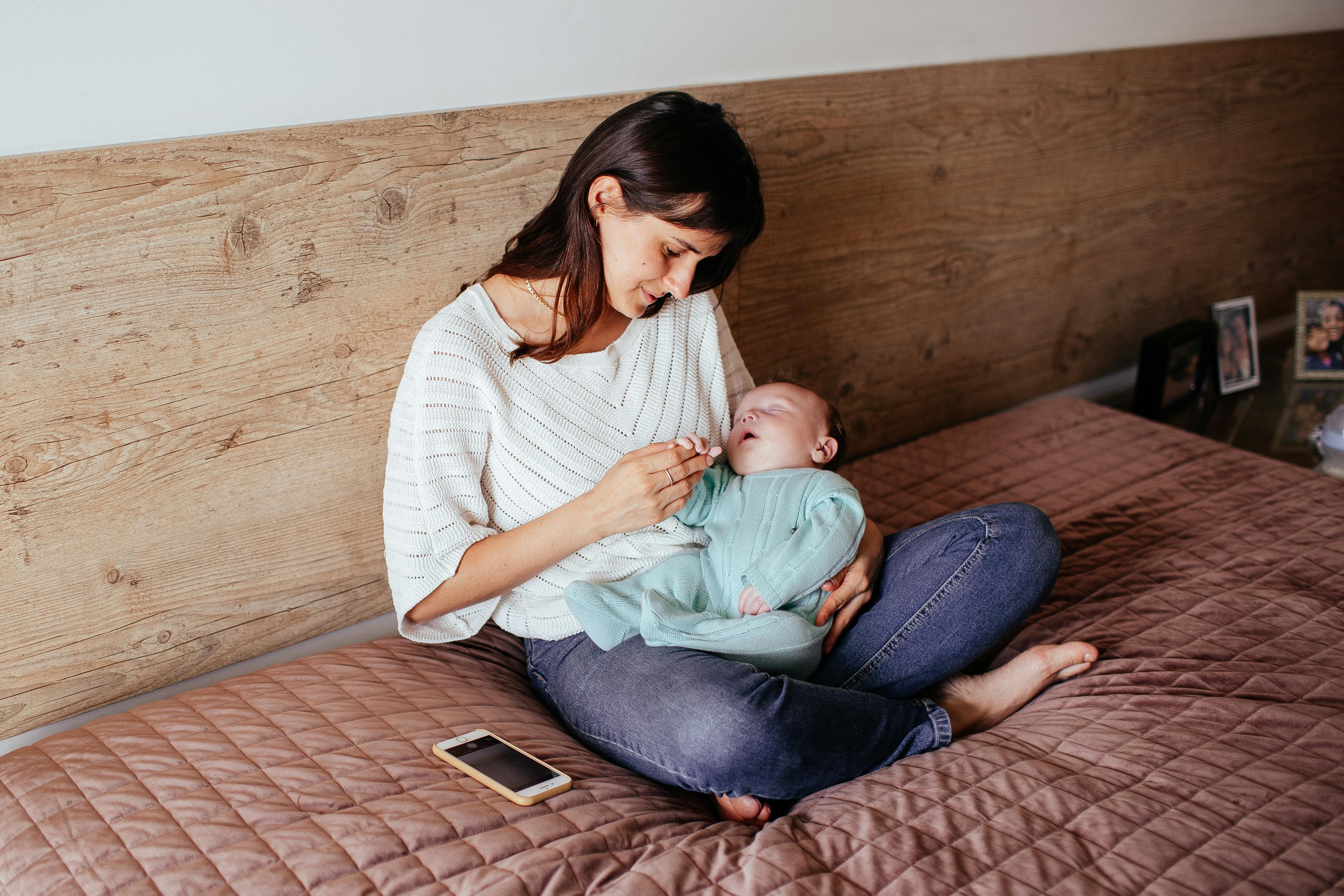
Phase: Newborn · Topic: Parenting · Type: Evergreen · Reading time: ~8 min
Nobody warned you that you would bleed for six weeks, lose fistfuls of hair at month three, and feel like a stranger in your own body for far longer than that. The baby books spent 300 pages on labor and approximately two paragraphs on what happens after. That gap is exactly what this article is here to fill.
The postpartum period — sometimes called the fourth trimester — officially begins at birth and generally runs six to eight weeks, according to StatPearls (National Institutes of Health, 2024). But that is the clinical minimum. Research and the experience of millions of parents tell a different story: the full physical and emotional recovery from childbirth routinely takes up to a year, and the identity shift it triggers can take longer still. Knowing what is actually coming, and when, makes an enormous difference.
What Your Body Is Doing in the First Two Weeks (It Is a Lot)
The first 14 days are the most physically intense of postpartum recovery, and they tend to catch people off guard precisely because all the attention has shifted to the newborn.
Lochia — the postpartum bleeding caused by your uterus shedding its lining — starts heavy and bright red in the first few days, then transitions to a darker, brownish discharge over the following weeks (Mayo Clinic, 2023). Expect it to last up to six weeks. Use maternity pads, not tampons, and call your provider immediately if you are soaking through a pad in an hour or passing clots larger than a golf ball.
Afterpains hit many parents hard, particularly if this is not your first birth. As your uterus contracts back toward its pre-pregnancy size, you will feel cramping — sometimes surprisingly sharp — especially during breastfeeding, because nursing triggers oxytocin, which causes uterine contractions. A warm compress helps.
If you had a perineal tear, episiotomy, or C-section incision, the first week involves managing wound soreness alongside everything else. For vaginal births, a peri bottle filled with warm water, witch hazel pads, and ice packs provide meaningful relief. For C-section recovery, the key thing to understand is that you had major abdominal surgery: the skin may look healed within weeks while internal healing continues for months. Parents who have had C-sections frequently describe lingering internal discomfort when they do too much, too soon.
Hormones plummet dramatically in the first 72 hours after birth. Estrogen and progesterone — both of which were dramatically elevated throughout pregnancy — drop by roughly 1,000% in the days following delivery of the placenta (Bodily, 2024). That is the biochemical trigger for the baby blues, which affect up to 80% of new mothers according to the American Pregnancy Association. Baby blues typically peak around day three to five and resolve within two weeks. They feel like: sudden sobbing at nothing, irritability, difficulty sleeping even when the baby is sleeping, and emotional volatility you cannot entirely explain. This is normal. It is biology.
What is not normal: symptoms that intensify after two weeks, or that include an inability to bond with your baby, severe anxiety, intrusive thoughts, or any thoughts of harming yourself or your child. That is postpartum depression (PPD), which affects approximately 15% of mothers and up to 10% of fathers, and it is a medical condition that responds well to treatment. If this sounds like you, contact your provider — do not wait for the six-week check-up.
Weeks Three to Six: The Deceptive Middle Phase
Many parents feel a tentative improvement around week three and assume they are nearly recovered. Often, they are not. This is the phase where overdoing it sets recovery back.
Diastasis recti — the separation of the rectus abdominis muscles along the midline — affects up to 60% of women at six weeks postpartum, dropping to around 30% by one year, according to data cited by Bodily. It is why your abdomen may still look rounded or feel structurally weak even after the rest of you has healed. The key thing to know: standard crunches and sit-ups can make it worse. A pelvic floor physiotherapist can assess the gap and prescribe exercises that help close it. If you are doing nothing else proactive in these early weeks, getting a referral to pelvic floor PT is the single most useful thing.
Speaking of pelvic floor: incontinence — leaking when you cough, laugh, or sneeze — affects around one-third of first-time parents. It is common enough to be considered normal, but it is not something you simply have to accept forever. Like diastasis recti, it responds well to targeted physiotherapy. The reason most people do not address it is that nobody told them it was worth treating.
Night sweats are another symptom that surprises many parents. As oestrogen levels continue to recalibrate, your body sheds excess fluid from pregnancy through perspiration, often while you sleep. This can last several weeks and is entirely normal, though genuinely unpleasant.
If you are breastfeeding, your period may not return for months — sometimes not until you wean. If you are not breastfeeding, menstruation can return as early as six to eight weeks postpartum. Either way, your first few cycles back are often irregular and may be heavier or more painful than before.
Months Two to Four: The Hormone Hangover Nobody Mentions
Around months two to four, many parents hit an unexpected wall. The initial adrenaline has worn off, the immediate crisis of the newborn phase has settled into a grinding exhaustion, and if you were hoping to feel physically normal by now, the body may still be surprising you.
Postpartum hair loss peaks between months three and four for most people. During pregnancy, elevated oestrogen keeps hair from shedding at its normal rate. After birth, as hormones normalise, all that retained hair sheds at once. It is called telogen effluvium and it is alarming — handfuls of hair in the shower, thinning at the temples, visible loss. It is not permanent. Growth resumes, but this can take until around month six to stabilise. Knowing this in advance is the difference between panicking and quietly riding it out.
This is also the phase when partners and family members often assume recovery is "done," which frequently leaves the birthing parent carrying more than they should. If you had a C-section, internal healing continues through months two and three, and heavy lifting is still inadvisable. That means: do not carry grocery bags, do not rush back to exercise, and yes, the six-week clearance from your OB does not mean you are fully healed — it means the surface wounds are closed.
The Emotional Timeline: Longer, Stranger, and More Legitimate Than Anyone Admits
Physical healing is only part of the story. The emotional and identity dimension of postpartum recovery is where the real silence lives.
Researchers have given this process a name: matrescence — the psychological and neurological transition into motherhood, which parallels adolescence in its scope and intensity (Motherly, 2024; Women's Health Issues, 2025). Your brain is rewiring. Your relationships are shifting. Your sense of who you are is being renegotiated. Some parents describe feeling completely absorbed into the role of "mother" and losing track of the person they were before. Others feel a grief for their pre-baby life that they feel they are not allowed to name. Both are normal. Feeling the loss of your former self is not the same as not loving your child — it means you are human.
The most honest framing: postpartum identity recovery does not run on a six-week clock. Many parents describe the two-year mark as the point at which they began to feel genuinely themselves again. Not their old selves — a new version, recalibrated. That is not a failure of recovery; that is what recovery from a life-changing event actually looks like.
Worth knowing: Postpartum anxiety is at least as common as postpartum depression, but it gets far less attention. Symptoms include a persistent sense that something terrible is about to happen, hypervigilance about the baby's safety, difficulty sleeping even when exhausted, and racing thoughts. If this sounds familiar, it is worth naming it to your provider. It is treatable.
The Six-Week Check: What It Does and Doesn't Cover
The standard six-week postpartum appointment remains the baseline of care in most healthcare systems, but there is growing recognition — including in the 2023 WHO recommendations on postnatal care — that this single appointment is insufficient for the complexity of what is happening.
What the six-week check typically covers: uterine involution, wound healing, blood pressure, mood screening, and contraception. What it often does not cover in depth: pelvic floor function, diastasis assessment, sexual health, and mental health beyond a brief questionnaire.
Go into this appointment prepared to advocate for yourself. If you are experiencing incontinence, pelvic pain, persistent low mood, or anxiety, say so explicitly. If your provider dismisses concerns as "normal after birth," you are within your rights to push back or seek a second opinion. Normal does not mean untreatable.
It is also worth knowing about the ACOG (American College of Obstetricians and Gynecologists) guidelines, which since 2018 have recommended ongoing postpartum care rather than a single six-week visit — specifically check-ins at three weeks, and as needed through the first three months. Whether your practice follows this depends on where you live and your insurance, but you can request it.
What This Means for Your Recovery
The honest answer to "when will I feel normal again?" is: probably somewhere between six months and two years, depending on the birth, your support system, your mental health history, and how much rest you are actually getting.
That is not alarming. It is simply accurate. And knowing it means you can plan for it: line up pelvic floor physiotherapy early, tell your partner or support person what genuine recovery looks like, push back on the six-week checkpoint as the finish line, and give yourself permission to still be recovering at four months, six months, a year.
The parents who struggle most in the postpartum period are often those who were given no timeline at all and concluded that whatever they were feeling must mean something had gone wrong. Usually, nothing has gone wrong. The timeline is just longer than anyone told you.
If you are in the thick of the newborn phase right now, the companion piece how to survive the first month of parenthood covers the survival mechanics — sleep, logistics, feeding. And if the emotional weight feels heavier than this article covers, parental burnout: how to recognize it and what actually helps addresses the longer arc of what happens when the tank runs completely empty.
🌱 Discover Your Parenting Wellbeing Score
Get your personalised score across 9 dimensions and find articles curated for your stage.
Get My Score →Community comment
Sign in to join the conversation and share your parenting experiences.
Sign in with Google
No comments yet — be the first to share your thoughts! 💛