Separation Anxiety at Preschool Drop-Off: How to Make It Easier for Everyone
A brief, consistent goodbye ritual done calmly every day is the single most effective tool for easing preschool drop-off separation anxiety.
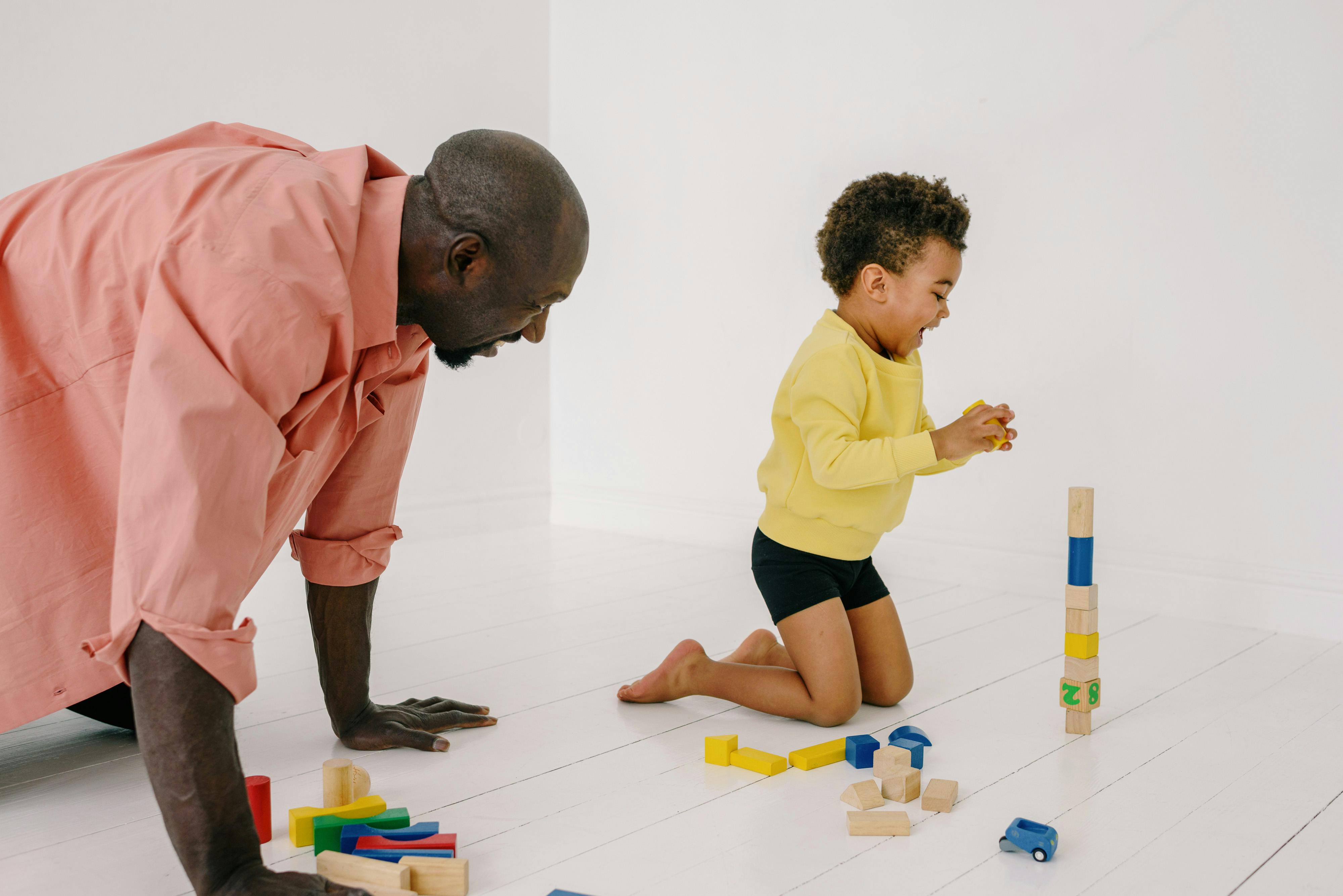
Phase: Preschool · Topic: Schooling Advice · Type: Evergreen · Reading time: ~7 min
The tears start before the car is even parked. Your child clings to your leg at the classroom door, face crumpled, repeating your name like a question. You hand them off to a teacher, walk back to the car, and sit there wondering whether you have done something terrible. You have not. But the way you handle the next thirty seconds matters more than almost anything else you do that morning.
Preschool drop-off separation anxiety is one of the most consistent, most documented, and — frankly — most mishandled parts of early childhood. It affects children across temperaments and family structures, and it does not mean your child is damaged, insecurely attached, or unprepared for preschool. According to the American Academy of Child and Adolescent Psychiatry (AACAP), some degree of separation distress is developmentally expected in children aged three to eight. The question isn't whether it will happen — it's what you do in those sixty seconds at the door.
Why separation anxiety at drop-off is a sign of healthy attachment
This is the counterintuitive finding that most parents don't hear: a child who falls apart at goodbye is demonstrating that their attachment to you is working correctly. According to pediatrician Dr. T. Berry Brazelton, the intensity of a child's reaction at separation reflects the strength of the bond, not a problem with it. A preschooler who cheerfully sprints away without a glance back might actually be more concerning from a developmental standpoint.
The neurological explanation is straightforward. Preschool-age children are still developing the capacity to hold a mental image of you when you're not physically present — what psychologists call "object constancy." When you leave, their nervous system registers your absence as a potential threat, not because something is wrong with them, but because their brain isn't yet fully equipped to soothe itself with the certainty that you will return. That's not regression; it's biology.
Research from a 2016 study in the Journal of Child Psychology and Psychiatry tracked separation anxiety trajectories in preschoolers and found that the vast majority — over 60% — fell into a low and stable category. For most children, what looks dramatic at drop-off resolves quickly once the parent is out of sight. Preschool teachers will tell you the same thing: nine times out of ten, the crying stops within two minutes of the parent leaving.
The one mistake that makes everything harder
Sneaking out. This is the most common instinct — wait until your child is distracted, then disappear — and it is also the most counterproductive move available to you.
Every piece of credible guidance on this topic, from the AAP's HealthyChildren.org resource to Montessori educators to child psychologists, says the same thing: sneaking out undermines trust. When a child looks up and finds you gone without warning, their brain doesn't file it under "transition." It files it under "unpredictable danger." The next drop-off becomes harder because now they need to monitor your location constantly, in case you vanish again. You haven't solved the problem; you've added a layer to it.
The alternative isn't lingering. Lingering is also a problem. Long, emotional goodbyes — repeated hugs, "are you sure you're okay?" repeated in five different ways, going back for one more kiss — signal to your child that there is something to be worried about. Children read parental calm as information. If you are anxious at the door, their nervous system takes note.
The goal is a goodbye that is brief, warm, and completely predictable. Not ripping off the band-aid. Not an extended farewell. Something in between: a ritual that signals "this is the thing we do every day, and then I come back."
Building a goodbye ritual that actually works
The AAP recommends establishing a specific goodbye sequence before the first day of preschool — and then keeping it identical every single time. The content matters less than the consistency. What you're building is a script your child can anticipate, which makes the moment feel safe rather than open-ended.
A workable goodbye ritual has three parts:
A predictable sequence. This could be: hug, forehead kiss, "I love you, see you after snack," and a wave from the door. Or a secret handshake followed by a thumbs-up. The specifics are yours; the requirement is that it's the same every day. Some families use a "Kissing Hand" ritual, inspired by Audrey Penn's book of the same name — a kiss pressed into the child's palm that they can "hold onto" through the day. It sounds sentimental because it is, and it works because it gives the child a sensory anchor to the goodbye rather than just an absence.
A time anchor they can understand. "I'll be back later" means nothing to a three-year-old. "I'll pick you up after outdoor play" gives them a concrete event to look toward. Connecting your return to a school activity — snack time, rest, outdoor time — maps your absence onto something they already know, which makes it finite rather than abstract.
A clean exit. After the ritual, you go. No returning for one more hug if they escalate. Not because you're being cruel, but because returning teaches them that escalating the distress works. The AAP is clear on this point: consistency in your exit is one of the most important factors in how quickly drop-off improves.
Worth knowing: Preschool teachers are your allies in this. Tell your child's teacher your goodbye ritual and ask them to engage your child the moment you start your exit — a specific invitation to an activity, a hand on the shoulder, a task to help with. A skilled teacher turning the child's attention at that moment makes your departure significantly cleaner.
The parent's side of the equation
Here is the part that most articles skip entirely: your own anxiety is a variable.
This is not a criticism. Watching your child sob while you walk away is genuinely hard, and the guilt that follows you to work is real. But children are extraordinarily sensitive to parental emotional state. Research consistently shows that when parents are visibly distressed at drop-off, children's anxiety is amplified — not because the parent caused the anxiety, but because distress is contagious at close range.
The practical implication: managing your own calm is not a luxury, it's part of the strategy. This means practicing what you're going to say before you arrive. It means keeping your voice level and your body language relaxed, even when your chest feels tight. One useful reframe: think of it as confidence rather than cheerfulness. You don't need to perform happiness. You need to project the quiet certainty that this is a normal, safe thing that you know will be fine.
If you are finding your own distress around drop-off genuinely difficult to manage — if you find yourself sitting in the car park watching through the fence, or calling the school repeatedly to check in — it may be worth examining what's driving that, separate from your child's experience. Parental separation anxiety is real and common, particularly among first-time preschool parents, and it's worth naming it as its own thing.
For practical guidance on preparing your child for the preschool environment, including visiting the classroom before the first day and meeting the teacher, see our guide on choosing the right preschool — the groundwork you lay before day one has a direct impact on how drop-off goes.
When to stop waiting it out
Most preschool separation anxiety resolves within the first few weeks. Teachers expect it; the whole system is set up around it. But there are signs that what you're seeing has moved beyond typical drop-off distress and may need more attention:
- The distress isn't easing after four to six weeks of consistent routine
- Your child is experiencing physical symptoms — genuine stomachaches, headaches, or sleep disruption — most mornings, not just at school
- They're refusing to enter the building entirely or becoming inconsolable for extended periods after you've left
- The anxiety is spreading to other separations: bedtime, playdates, being in a different room at home
The AACAP sets a clinical threshold of four weeks of excessive, developmentally disproportionate symptoms that significantly interfere with daily functioning. Below that threshold, this is normal preschool life. At or above it, a conversation with your pediatrician is the right next step — not to pathologize your child, but to get a proper assessment and potentially a referral to a child psychologist who specialises in anxiety.
One note on preschool readiness: if your child is three and struggling significantly, it's worth an honest conversation with the teacher about whether they've had enough gradual separation practice before full-day programs. Starting with shorter sessions, when possible, is a legitimate approach — not avoidance.
What this means for your family this week
The research on preschool separation anxiety is unusually consistent. Practically every credible source — the AAP, child psychologists, experienced preschool teachers — points to the same set of conclusions: normalize it, don't sneak out, build a brief consistent ritual, and hold your own calm.
The thing that's hard is that none of this works immediately. You will do the ritual correctly on Monday and your child will still cry. You will do it correctly again on Tuesday. By the end of the second or third week, most parents notice a genuine shift — not because their child has stopped caring that they're leaving, but because the predictability has given the child enough information to start trusting the goodbye.
That trust is the whole point. Your child learning that you leave and you return, every single day, in the same way — that's not a small thing. It's one of the foundational lessons of early childhood, and the drop-off line is where it gets built.
🌱 Discover Your Parenting Wellbeing Score
Get your personalised score across 9 dimensions and find articles curated for your stage.
Get My Score →Community comment
Sign in to join the conversation and share your parenting experiences.
Sign in with Google
No comments yet — be the first to share your thoughts! 💛